Real vs. Fake: Your No-Nonsense Guide to Authenticating Amanda Fischer Merchandise
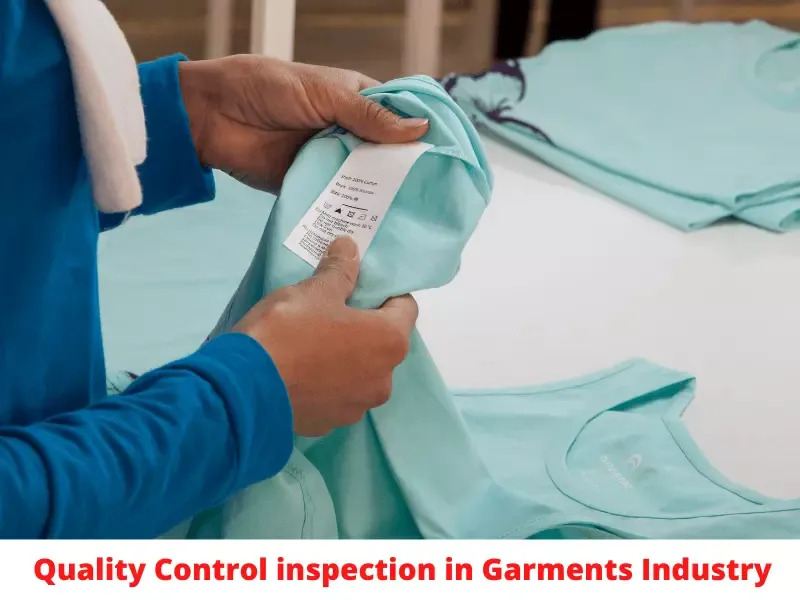
Photo: person examining clothing tag quality inspection close up merchandise authenticity, via www.textileindustry.net
Let's be straight about something: counterfeit creator merchandise is not a small-scale problem anymore. As fan-driven brands have grown into serious commercial operations, the fakes have followed. And while knockoff merch might look convincing in a thumbnail or a secondhand listing photo, the moment it shows up at your door — or worse, after you've already worn it — the difference becomes painfully obvious.
For collectors and everyday fans alike, knowing how to tell the real thing from a cheap imitation isn't just about protecting your wallet. It's about protecting your collection, your integrity as a fan, and honestly, your relationship with the creator whose work you're trying to support. Here's everything you need to know.
Why Counterfeits Are a Bigger Deal Than They Seem
It's easy to shrug off a fake as just a bad purchase. You lost twenty bucks, you learned a lesson, you move on. But the impact of counterfeit merch runs deeper than a single transaction.
Every fake item sold is revenue that doesn't reach the creator. For independent creators and smaller brands — the kind that actually pour thought and personality into their merchandise — that lost income is felt. It can mean fewer drops, smaller production runs, or cutting back on the quality that made the merch worth buying in the first place.
Beyond the financial hit, counterfeit products often don't meet basic quality or safety standards. That graphic tee with the suspiciously low price tag? It may have been printed with inks that fade after two washes, or cut from fabric that feels like wearing a paper bag. For collectors who care about longevity and display quality, fakes are a disaster. They yellow, crack, and fall apart in ways that legitimate merchandise simply doesn't.
And then there's the community angle. Buying fakes — even unknowingly — muddies the culture around collecting. It devalues authentic pieces and makes it harder for everyone to trust the secondhand market.
Red Flags When Shopping Secondhand or from Third Parties
The resale market for creator merch is real and largely legitimate, but it's also where fakes tend to surface. Here's what should immediately raise your suspicion:
Prices that don't make sense. If a sold-out hoodie that originally retailed for $75 is listed for $18 with free shipping, something is wrong. Fakes are priced to move quickly and undercut the real market. If a deal feels too good, it almost certainly is.
Vague or evasive seller history. On platforms like eBay, Depop, or Facebook Marketplace, a seller with no reviews, a brand-new account, or a history of selling only one type of item at suspiciously low prices is a warning sign. Legitimate resellers usually have a track record.
Low-quality listing photos. Authentic resellers typically photograph the actual item they're selling. Stock images, heavily filtered photos, or pictures that seem borrowed from somewhere else should make you pause. Ask the seller for additional photos — of the tags, the stitching, the packaging — before committing.
Missing or generic tags. Official Amanda Fischer merchandise will have tags that reflect the brand. Generic blank tags, misspelled text, or labels that look like they came from a different product entirely are immediate red flags.
Packaging inconsistencies. If you've ordered from the official shop before, you know what to expect. Fakes often come in plain poly mailers or generic boxes with no branding, or they may include packaging that looks almost right but has small errors in the logo, font, or color.
How to Authenticate What You've Got
Maybe you already own a piece you're not 100% sure about, or you're considering a secondhand buy and want to do your homework first. Here's how to evaluate authenticity:
Check the construction. Legitimate merchandise is made to a standard. Look at the stitching on seams — it should be tight, even, and consistent. Hems should lie flat. Graphics should be crisp at the edges, not blurry or bleeding into the surrounding fabric. Counterfeit printing is often the first thing to show its age.
Feel the fabric. This sounds basic, but it works. Quality blanks used in creator merch have a specific weight and texture. Fakes frequently use cheaper fabric that feels thin, rough, or stiff in a way that doesn't improve with washing.
Compare against known authentic pieces. If you have a verified piece from a previous drop, hold them side by side. Color, size, tag placement, and print quality should be consistent across genuine items from the same line.
Look up the product on the official site. The Amanda Fischer Shop is the only authorized source for official merchandise. If you're buying secondhand, verify that the item matches what was actually sold through official channels — colorways, sizing options, design details. If the item doesn't match anything that was officially released, that's your answer.
Where to Buy Safely
The simplest rule: buy from amandafischer.shop. That's it. The official store is the only guaranteed source of authentic merchandise. Orders placed there come with the quality assurance, proper packaging, and the knowledge that your purchase actually supports the creator.
For secondhand purchases, stick to platforms with buyer protection policies — eBay's Money Back Guarantee, for example, offers recourse if an item is not as described. Be willing to ask sellers direct questions and walk away if they can't or won't provide clear answers.
And if you ever receive something that doesn't match what you expected from an official purchase, reach out directly. Legitimate shops stand behind their products.
Your Collection Deserves the Real Thing
Building a merch collection is an act of fandom, and fandom deserves authenticity. Every piece you add should be something you're genuinely proud of — something that represents a real moment in time, a real connection to a creator whose work matters to you.
Fakes don't carry any of that. They're hollow stand-ins, and experienced collectors can spot them from across a room. Do the work, shop smart, and make sure every item in your collection is actually worth keeping.