Turn Your Merch Collection Into Cash: A Fan's Guide to Reselling Smart
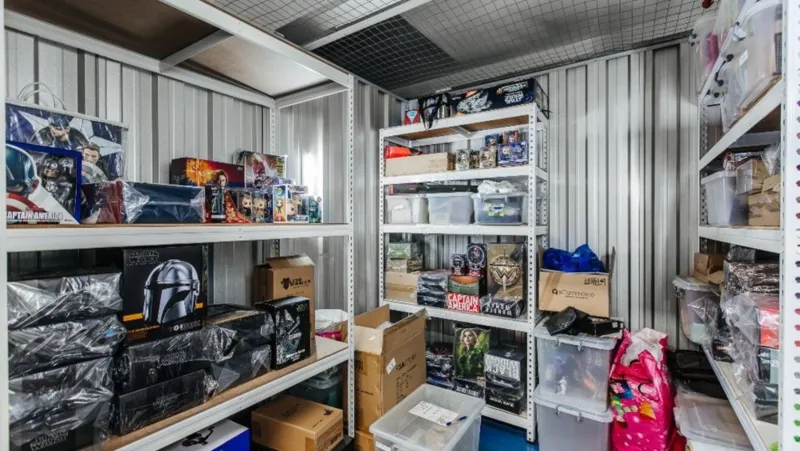
Photo: fan merchandise resale packaging shipping collectibles organized, via ramblingsofagamer.com
Let's be honest: collections grow fast. One minute you're picking up a single tee, and the next you've got three shelves of figures, a drawer full of pins, and a stack of hoodies you love but never wear. If your fandom merch is starting to outpace your storage space — or your budget — reselling is a genuinely smart move. Done right, it can fund your next haul, help you upgrade to pieces you actually love, and keep your collection intentional rather than just... large.
This guide is for fans who want to resell thoughtfully — not just unload stuff, but actually build a sustainable system that makes their fandom hobby work for them financially.
Know What You Actually Have
Before you list anything, do a real inventory. Pull everything out, sort it, and be honest with yourself about what you actually use versus what's just taking up space. Limited runs, numbered editions, and officially licensed pieces from major drops tend to hold value better than fast-fashion-style merch that was always widely available.
Condition matters enormously in resale. Items that are unworn with original tags — especially if you still have the original packaging — are worth significantly more than gently used pieces. If something has been worn or displayed, note any flaws honestly. The resale community is small and reputation matters more than you might expect.
Also worth checking: does the item have any documentation? Certificates of authenticity, original receipts, numbered inserts, or photos from the original drop all add credibility and value when you go to sell.
Where to Sell: Picking the Right Platform
Not every platform is right for every item, and knowing where to list is half the battle.
eBay is still the gold standard for collectibles and one-of-a-kind pieces. The audience is large, buyers expect to pay fair market value, and the auction format can work in your favor for truly rare items. The fees are real, but the reach is hard to beat.
Depop skews younger and is great for apparel — especially anything with a streetwear or indie aesthetic. If your merch has visual appeal and fits a style niche, Depop's photo-forward format works well. It's also a solid place to build a small reseller presence over time.
Mercari is underrated for mid-range fan merch. Lower fees than eBay, a straightforward interface, and a US-based buyer pool that's grown a lot in recent years. Great for figures, accessories, and apparel that isn't necessarily "rare" but still has demand.
StockX is worth knowing about for high-demand items — especially if you're sitting on a limited drop from a major brand or creator that has documented resale history. StockX's price tracking makes it easier to set competitive prices.
For community-specific items, don't overlook fan subreddits and Discord servers dedicated to trading. These spaces often have lower fees (sometimes none), and buyers there understand the specific value of what you're selling without you having to explain it.
Pricing Without Leaving Money on the Table
The most common reselling mistake is guessing at price. Don't. Spend fifteen minutes doing actual research before you list anything.
Search your item on eBay and filter by sold listings — not active ones. What people are asking is irrelevant; what they're actually getting is the number you want. Cross-reference on Mercari and Depop if the item is apparel. For figures and collectibles, check recent sales on eBay and see if there's any price history on StockX.
Factor in your platform fees (typically 10–15% depending on the site), shipping costs, and any packaging materials. A lot of new resellers price for the sale price they want and forget that fees will eat into it. Price to net what you actually want to walk away with.
For truly rare pieces, it's okay to price at the high end and be patient. The right buyer exists — you just have to wait for them.
Authentication: Protect Yourself and Your Buyers
The fandom resale market has a counterfeit problem, especially for high-demand items. As a seller, being transparent about authenticity isn't just ethical — it protects you legally and builds trust that leads to repeat buyers.
Include clear, well-lit photos of any tags, holograms, serial numbers, or official licensing marks. If you bought directly from an official source (like the Amanda Fischer Shop or another verified retailer), say so and include the receipt if you have it. Buyers will pay more for provenance.
If you're buying to resell — or if you're buying secondhand and considering a flip — learn the authentication markers for the specific items you're dealing in. Counterfeit merch isn't just a rip-off; selling it (even unknowingly) can get your accounts suspended and expose you to liability.
The Etiquette Side of Flipping
The fandom community has feelings about resellers, and it's worth understanding why. When someone buys multiple units of a limited drop specifically to flip them at markup, it cuts genuine fans out of the original sale. That's the version of reselling that generates real resentment — and for good reason.
The more community-friendly approach: sell items you actually own and no longer need, be honest about condition and provenance, price fairly rather than predatorily, and don't hoard limited stock. Reselling your own collection to fund new purchases? Totally reasonable. Botting drops to scalp fans? That's a different thing entirely, and it's not a reputation worth building.
Building a System That Actually Works
If you want reselling to be a consistent part of how you fund your fandom hobby, treat it like a light business rather than a one-off. Keep records of what you paid for items, what you sold them for, and what your net was after fees and shipping. This matters at tax time (yes, resale income is taxable in the US — the IRS cares about this now more than ever) and it also helps you understand which types of items are actually worth your time.
Over time, you'll develop a feel for what holds value in your specific fandom space, which platforms your buyers prefer, and how long to hold something before listing. That knowledge compounds, and so does the return.
Your collection doesn't have to be a one-way financial drain. With a little strategy, it can fund itself — and leave room for the next drop you actually can't miss.