Drop Day Playbook: How to Shop Merch Releases Like a Pro
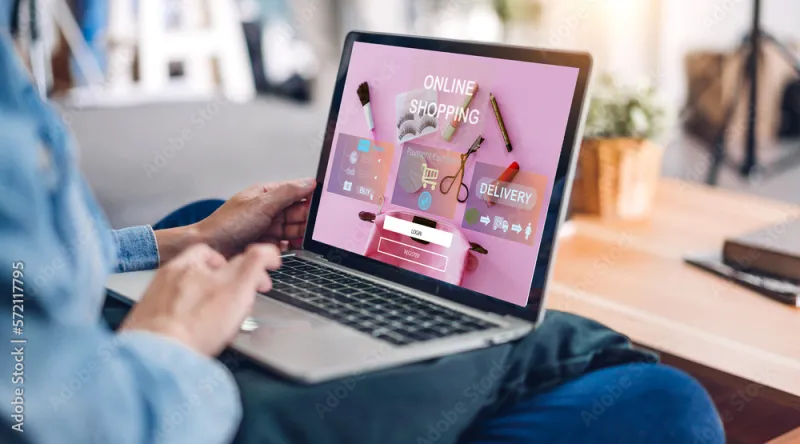
Photo: person excitedly shopping online for limited edition merchandise on laptop, via as2.ftcdn.net
Drop day hits and suddenly your rational brain goes offline. You're refreshing pages, second-guessing sizes, watching items disappear from your cart before you can check out. Sound familiar? You're not alone — and you're not doing anything wrong. Merch drops are designed to create urgency. But here's the thing: once you understand the mechanics behind a release, you can stop reacting and start strategizing.
Whether you're new to the Amanda Fischer Shop or you've been copping drops for years, this playbook will help you make smarter decisions — without the post-purchase regret or the heartbreak of missing something you actually wanted.
Step 1: Read the Pre-Drop Signals
Most creator merch drops don't come out of nowhere — they're telegraphed in advance if you know what to look for. Here's what to watch for in the days and weeks before a release:
Teasers on social media. A cryptic color swatch, a behind-the-scenes shot of packaging, a countdown timer in a story — these are intentional breadcrumbs. When Amanda Fischer starts hinting at something new, pay attention to the visual language. It often tells you something about the product's aesthetic and positioning before the official announcement.
Email list announcements. If you're on the shop's email list, you'll frequently get early access or at least a heads-up before the general public. This alone can be the difference between snagging your size and watching a sold-out notice appear. If you haven't subscribed yet, do it now.
Community chatter. Discord servers, Reddit threads, fan forums — these spaces are goldmines for drop intel. Dedicated fans often spot clues before official announcements and share their predictions. Staying plugged into those communities keeps you ahead of casual shoppers.
Step 2: Know Your Tiers Before You Click
Not all merch is created equal, and not everything in a drop deserves the same level of urgency. Before the shop goes live, mentally sort items into tiers:
Tier 1 — Go all-in immediately. These are limited edition items, numbered pieces, collaboration exclusives, or anything described as a one-time run. If the product copy uses words like "limited," "exclusive," "first run," or "never restocking," treat it like it's already gone and move fast. These are the items that end up on resale markets at 3x the original price within 48 hours.
Tier 2 — Buy with intention, but breathe. Core collection staples, evergreen apparel, and items that are part of a larger ongoing line usually have more inventory. You still want to act relatively quickly, but you don't need to panic-buy in the first five minutes. Take thirty seconds to confirm your size and color preference.
Tier 3 — Watch and wait. Some items in a drop will sell slower — maybe they're at a higher price point, maybe they're a style that doesn't appeal to the majority of the fanbase. If something you're mildly interested in falls into this category, add it to your cart or wishlist and revisit it in a day or two. Odds are decent it'll still be there.
Step 3: Understand the Restock Pattern
Here's a truth that'll save you money and stress: some "sold out" items come back. Learning to recognize which ones is a real skill.
Creators who use print-on-demand or made-to-order fulfillment often restock without much fanfare — or they run second drops after gauging initial demand. Items that sell out in minutes but generate massive social media noise are prime candidates for a restock announcement within a few weeks.
On the other hand, true limited editions — especially those tied to a specific moment, collaboration, or milestone — rarely come back. If a drop is framed around a specific event or anniversary, assume it's gone for good once it sells out.
A good rule of thumb: if the creator talks about why the item is limited (not just that it's limited), it's probably not coming back. That context signals intentionality, not just inventory management.
Step 4: Set Yourself Up Technically
This one sounds basic, but it matters more than people think. Before a hyped drop:
- Have your payment info saved. Checkout friction is the enemy on drop day. Every extra second you spend typing a card number is a second something could sell out.
- Know your size ahead of time. If the shop offers a size guide, check it before the drop, not during it.
- Use a reliable connection. If you're at home, use your home Wi-Fi. Skip the crowded coffee shop network.
- Have the page open early. Refresh right at the announced drop time rather than navigating to the site after it goes live.
These aren't tips for gaming the system — they're just removing unnecessary friction so you can make clear-headed decisions instead of panicked ones.
Step 5: Recognize the Items Worth Long-Term Investment
Some merch appreciates. Not everything, and not always predictably — but certain pieces from a creator's catalog become genuinely collectible over time. The factors that tend to drive long-term value:
- Tied to a specific milestone. First-ever drops, anniversary releases, items connected to a major moment in a creator's career.
- Small initial run. The fewer units produced, the more valuable they become as the fanbase grows.
- High-quality construction. Pieces that were clearly made with care — better materials, unique design details, thoughtful packaging — hold up better physically and emotionally.
- Cultural significance within the community. Some items just mean something to the fanbase in a way that's hard to quantify but easy to feel.
If a piece checks two or more of those boxes, it's worth treating as a long-term hold, not just something to wear until it falls apart.
The Bottom Line
Shopping merch drops well is part instinct, part preparation, and part community knowledge. The fans who consistently get what they want aren't just faster at clicking — they've done the work of understanding what they're looking at and why it matters.
At Amanda Fischer Shop, every drop is built with intention. The more you understand that intention, the better equipped you are to shop in a way that feels good — not just in the moment, but months and years down the line when you're still proud of what's on your shelf.