Why You Had to Have It: The Real Reason Limited Merch Hits Different

Photo: Internet Archive Book Images, No restrictions, via Wikimedia Commons
You've been there. The countdown clock hits zero, your cart fills up in under thirty seconds, and somehow — somehow — you still end up staring at a "sold out" notification. It stings in a way that feels weirdly personal. That's not an accident. The world of limited-edition fandom merchandise is built on psychology just as much as it's built on design, and once you understand what's actually happening in your brain during a merch drop, the whole experience starts to make a lot more sense.
Scarcity Does Something to Us
Humans are wired to want what they can't easily have. Psychologists call it the scarcity principle — when something is rare or limited, we instinctively assign it more value. It's the same reason a one-of-a-kind vintage tee from a 1998 tour feels infinitely more meaningful than a reprint you could order online today. The rarity isn't just a marketing trick (though it is definitely that too). It genuinely changes how our brains process the object.
When a brand announces a 500-unit run of a collectible hoodie or a signed, numbered print, they're not just creating urgency — they're elevating the item into a different category entirely. It stops being a product and starts being an artifact. And for fans, artifacts carry weight.
FOMO Is Real, and It's Deeply Social
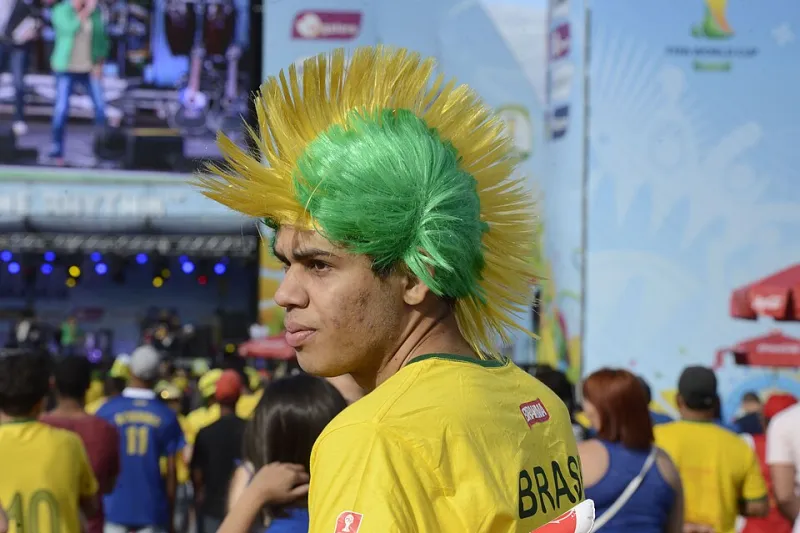
Fear of missing out gets a bad rap as a shallow, social-media-era anxiety, but in fandom communities it's actually rooted in something meaningful: belonging. When a limited drop happens, the fans who get it become part of a specific group. They share unboxing videos, post fit checks, and trade stories about the checkout rush. The item becomes a membership badge.
Missing the drop, on the other hand, means watching that community form without you. That's not trivial — humans are deeply social creatures, and exclusion (even from something as low-stakes as a merch release) activates the same neural pathways as physical discomfort. So when you feel that specific ache of missing a limited run, your brain isn't being dramatic. It's doing exactly what it was built to do.
The Emotional Shortcut to the Content You Love
Here's the part that doesn't get talked about enough: owning a rare piece of merch isn't just about status. For a lot of fans, it's about proximity. When a show, a creator, or a character has genuinely moved you — made you laugh, helped you through something hard, given you a community — owning a physical piece of that world feels like a way to hold onto it.
Limited editions amplify this because they feel intentional. A mass-produced item is available to everyone, which is great, but it doesn't carry the same emotional signal. A numbered collectible, a one-run capsule piece, or an exclusive drop tied to a specific moment — those say this mattered enough to commemorate. Fans respond to that sincerity.
That's a big part of what we think about at the Amanda Fischer Shop when we build out limited collections. A piece of merch should feel like it was made for the people who actually showed up, not just anyone who happened to scroll past.
The Collector's Mind: When One Is Never Enough
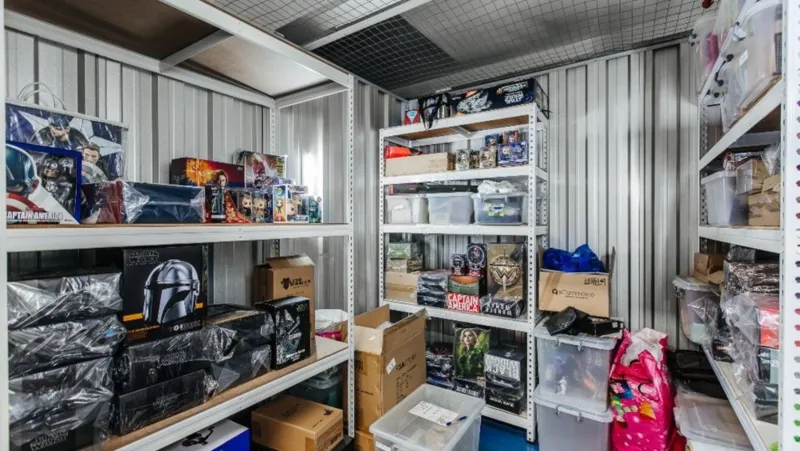
For some fans, the psychology goes even deeper into collector territory. Collectors aren't just buying things they like — they're building narratives. A collection tells a story about who you are, what you've experienced, and what you've valued enough to preserve. Each limited piece becomes a chapter.
There's also the completion drive. Once you own three items in a series, your brain starts treating the fourth as a gap rather than an option. This is why numbered editions and serialized drops are so effective — they're not just individual items, they're puzzle pieces. And the human brain really, really wants to finish the puzzle.
This isn't manipulation (well, not entirely). For genuine collectors, the hunt is part of the joy. The research, the timing, the community knowledge about what's worth chasing — it's a hobby with its own skill set and culture.
Rarity as Memory
There's something almost archival about limited merch. When a drop is tied to a specific moment — a finale, a live event, an anniversary — owning that piece becomes a way of marking time. It's a physical memory. Years from now, pulling that item out of storage won't just remind you of the thing you loved; it'll take you back to exactly where you were when you got it.
That's a genuinely powerful thing for a piece of clothing or a collectible to do. And it's why fans often describe their rarest items not in terms of monetary value, but in terms of what they represent. "I got this the week the show ended." "This was from the first drop I ever made it into." The scarcity locks in the memory.
What This Means for How You Shop
Understanding the psychology behind limited merch doesn't make the pull go away — but it does give you a little more control over how you respond to it. When you feel that drop-day urgency, you can ask yourself: am I buying this because it genuinely means something to me, or am I just reacting to the countdown clock?
The best pieces in any fan collection are the ones that still feel meaningful a year later, not just in the moment of the checkout rush. Shopping with that filter in mind tends to lead to a collection that actually reflects who you are — not just what was available on a given Tuesday.
At the Amanda Fischer Shop, that's the standard we hold ourselves to: every limited run should be worth the hype, not just because it's scarce, but because it's good. The psychology of scarcity is real, but the best merch earns it.