Traded, Gifted, and Cherished: Inside the Fan-Run Merch Exchange Scene Keeping the Amanda Fischer Community Alive

There's an economy humming along underneath the official drop days and checkout pages, and it has nothing to do with algorithms or flash sales. It's fan-to-fan. It's personal. And honestly? It might be the most alive part of the entire Amanda Fischer fandom right now.
We're talking about the grassroots world of merch trading, gifting, and swapping—the one that lives in Discord DMs, buried Reddit comment threads, and small Facebook groups with names like "Amanda Fischer Fan Swap (US/CAN)" that you only find if someone invites you. This is the unofficial economy, and it's thriving.
How It Actually Works
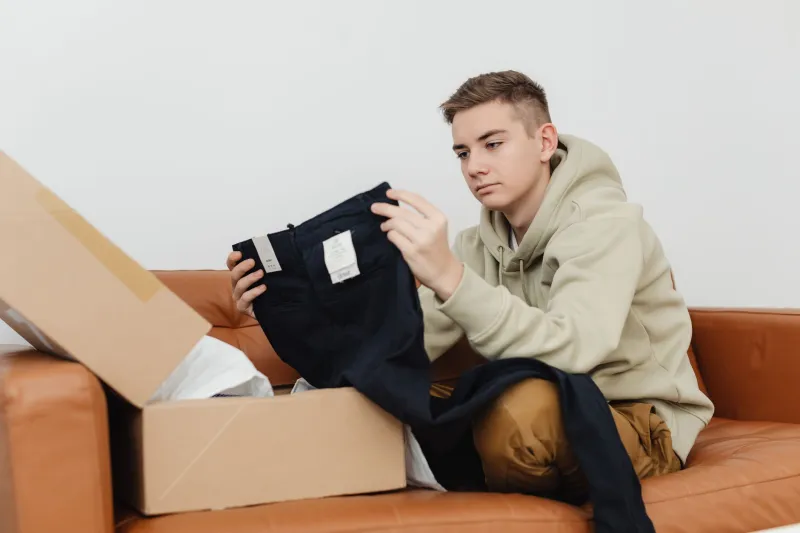
If you've never participated, the concept is straightforward even if the culture around it takes a little time to absorb. Fans post what they have—maybe a hoodie from a drop they no longer reach for, or a duplicate tote they ended up with after gifting one to a friend—and what they're looking for. Someone else in the group responds. Details get worked out over DMs. Packages get shipped, usually with a handwritten note tucked inside.
That last part matters more than you'd think.
The handwritten note is kind of a tradition in these spaces. It's not required, but it's expected in the best communities. Fans write about why they loved the piece, where they wore it, what it meant. The recipient isn't just getting merch—they're getting a little piece of someone else's story. That's not something you get from a warehouse fulfillment center.
The Platforms Holding It All Together
Discord has become the nerve center for a lot of this activity. Larger fan servers often have dedicated channels—sometimes called #merch-swap or #trade-post—where members can list items with photos, sizes, and what they're hoping to trade for. Mods typically enforce a few basic rules: no price gouging, verified member status before posting, and a feedback thread so people can vouch for trustworthy traders.
Reddit fills a different role. Threads in fan subreddits tend to pop up organically around drop releases or when someone scores a rare find at a thrift store. The upvote system creates a natural trust layer—longtime community members with post history carry more weight than throwaway accounts.
Facebook groups, especially the private ones, skew toward a slightly older fan demographic and tend to have a more neighborhood-watch energy. Admins know most members by name. There's a real accountability culture. One group admin described it as "a neighborhood block sale where everyone already knows your car."
What's Actually Being Traded
It runs the full spectrum. Common trades include duplicate items from bundle drops, size exchanges when someone ordered wrong, and seasonal pieces that feel less relevant out of season but would be perfect for someone in a different climate. A fan in Minnesota might swap a lightweight tee to someone in Florida in exchange for a heavier crewneck they'll actually wear through winter.
But then there's the rarer stuff—the pieces that generate genuine excitement when they surface. Early drops. Items from limited regional releases. The occasional signed or numbered collectible. When something like that enters the swap ecosystem, it tends to spark conversation even among people who aren't actively trading. It becomes a community moment.
Interestingly, not everything is a straight trade. Gifting is more common than outsiders might expect. Fans—especially those who've been in the community longer—will sometimes just send something to a newer fan who's been vocal about loving a piece they can't find anymore. No exchange required. Just a vibe check and a willingness to pay it forward.
Why This Matters Beyond the Merch
Here's the thing about fan-to-fan trading that official channels can't replicate: it builds actual relationships. People who meet over a hoodie swap end up at the same meet-and-greets. They coordinate outfits for events. They become the people tagging each other in every new drop announcement at midnight.
The merch is the entry point, but the connection is the point.
For fans who came in late—who missed early drops or couldn't afford something at full price during a tough stretch—these communities are genuinely democratizing. Access to rare or sold-out pieces doesn't have to mean paying triple retail to a scalper. It can mean building a relationship with someone who already has it, offering something in return, and walking away with both a piece and a friend.
There's also a real sense of stewardship in these spaces. Fans talk about wanting pieces to go to people who will actually appreciate them, not just sit in a box or flip for profit. The culture self-polices around that value in subtle but consistent ways.
The Unspoken Rules
Every healthy swap community has them, even if nobody's written them down. A few that come up repeatedly across different platforms:
- Condition transparency is non-negotiable. If there's a stain, a pulled thread, or a faded print, you say so upfront. Surprises kill trust fast in small communities.
- Shipping costs are handled honestly. Most communities have developed norms around who covers what. Trying to sneak in extra charges is a fast way to get called out.
- Scalping energy is unwelcome. Trading is fine. Gifting is celebrated. Listing something at 4x market value because you know someone wants it? That's a different vibe, and communities push back.
- The feedback loop is sacred. Leaving honest feedback after a trade—good or bad—keeps the whole ecosystem functioning. Ghost on feedback and you lose standing fast.
What It Says About the Fandom
The existence of this whole parallel economy says something genuinely interesting about what Amanda Fischer fans value. They're not just consumers. They're curators, connectors, and community builders. The merch is meaningful enough that people want to ensure it ends up with someone who gets it—not just someone with a credit card.
There's a generosity running through these spaces that feels increasingly rare online. People are going out of their way to help strangers get something they love, often at personal cost in time and shipping fees, because they remember what it felt like to really want a piece and not be able to find it.
That's fandom doing what fandom does best: turning a shared love into something bigger than any individual transaction.
So the next time you see a Discord notification from a fan swap channel, or spot a Reddit post from someone looking for that one tee from two drops ago—pay attention. That's not just the merch economy. That's the community working exactly the way it's supposed to.